

 Edit by: Brittni
 Reviewed by:
  Written by:
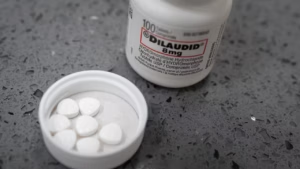
Hydromorphone is a powerful pain medication prescribed to treat moderate to severe pain. It belongs to the opioid class of analgesic medications. Although hydromorphone is available only with a valid medical prescription, it has a higher risk of tolerance and dependence when misused.
With hydromorphone, the risk of overdose is high when used without medical guidance to manage pain. This drug also has significant physical and psychological impacts. Therefore, it is important to understand the signs of addiction and potential side effects so health risks can be minimized with early professional intervention.
What Is a Hydromorphone?
Hydromorphone is an opioid drug commonly prescribed by healthcare professionals to patients experiencing severe or chronic pain. This drug is prescribed with caution because it is habit-forming and has a high potential for addiction. According to the Drug Enforcement Administration (DEA) the analgesic potency of hydromorphone is 2 to 8 times greater than morphine. It means a smaller dose of this drug is needed to relieve pain.
According to NIH-backed research, hydromorphone is prescribed only for a short duration and under close medical supervision because the chances of overdose are potentially high when used incorrectly.
Hydromorphone is available in immediate-release formulations and extended-release tablets in the market. In the US, both formulations are classified as Schedule II controlled substances because of their high potency for misuse. The medical use of hydromorphone is accepted only under medical supervision.
How Does Hydromorphone Work?
Being an opioid analgesic, hydromorphone functions by interacting with mu-opioid receptors in the brain and suppressing the pain signals. It alters how the brain perceives and responds to pain signals.
Additionally, hydromorphone also gives a sense of calm and relaxation to the user. As the drug activates opioid receptors, it stimulates the release of dopamine in the brain, creating sensations of pleasure. Because of these euphoric effects, some individuals may misuse hydromorphone to cope with emotional distress, thereby increasing the chances of drug tolerance and dependence.
Is Hydromorphone an Addictive Substance?
Yes, hydromorphone is an addictive substance because it produces effects similar to other opioids. When used beyond the prescribed dose, this drug becomes a habit-forming substance and the individual may experience withdrawal symptoms that are hard to manage.
The feel-good impact that hydromorphone provides to the individual reinforces repeated use and increases the risk of addiction. Addiction to hydromorphone may develop under the following circumstances:
- When an individual uses it in higher doses or for a longer time than what was prescribed
- It is used without medical supervision
- It is relied on to reduce emotional distress, not pain
Signs of Hydromorphone Addiction
The signs of hydromorphone addiction are similar to those of any other opioid use disorder. With regular use, the body develops a tolerance for the drug. Therefore, higher doses are required to achieve the same pain-relieving effect. Some of the common signs of this addiction are:
Physical
- Feeling drowsy
- Slow reaction time
- Slow breathing
- Muscle aches
- Sleep disturbances
- Experiences withdrawal symptoms when not using the drug
Psychological
- Mood swings
- Anxiety and restlessness when the drug is not available
- Loss of control over dosage
- Continued use despite knowing its consequences
- Poor decision-making
- Intense cravings that cause repeated use
Behavioral
- Consuming higher doses than prescribed
- Running out of stock and seeking ways to restock
- Hiding drug use from family members and friends
- Doctor shopping and seeking multiple prescriptions from different healthcare providers
- Fails to meet responsibilities at home and in the workplace
- Social withdrawal and loss of interest in activities they once enjoyed
- Stealing or borrowing money to sustain addiction
Likely Causes and Risk Factors
Hydromorphone addiction can develop due to a combination of several medical, biological, psychological, and social factors.
Medical reasons:
- Using hydromorphone for pain management beyond what is prescribed
- Taking higher doses without medical supervision
- A history of opioid use or alcohol
- If someone is using the extended-release forms incorrectly
Biological reasons:
- A family history of substance use or genetic factors increases the risk of hydromorphone addiction
- Drug tolerance and physical dependence lead to more abuse
- Chronic pain leads to the use of hydromorphone for a longer duration which can increase the risk of addiction overtime
Psychological reasons:
- Individuals suffering from other mental health conditions alongside addiction
- Using the drug to reduce emotional distress
Environmental or social reasons:
- Young adults may start abusing the drug out of curiosity or peer pressure
- Exposure to social circles where drug use is normalized
- Misuse of prescription drugs by individuals who are not aware of the consequences
Hydromorphone Withdrawal
Even when hydromorphone is used as a prescription drug, it shouldn’t be stopped abruptly. Patients may develop a physical dependence and long-term users may experience severe withdrawal symptoms if they cut down on the dose or quit completely. The severity of withdrawal symptoms varies according to the duration of substance use and the specific dose. The common withdrawal symptoms are:
- Sweating
- Nausea
- Loss of appetite
- Strong cravings
- Stomach cramps
- Rapid breathing
- Increased heart rate
- Anxiety and irritability
- Sleep disturbances
Safe withdrawal is possible through supervised medical detox, where symptoms are managed using long-acting opioids. This stabilizes the patient and reduces withdrawal discomfort.
Hydromorphone Statistics
Prescription opioids are misused in the United States and remain a major concern for public health. According to CDC reports, in 2023, 8.6 million Americans aged 12 and above were reported to misuse prescription opioids.
The Side Effects of Hydromorphone Abuse
These side effects can be for short durations or carry long-term implications.
Short-term effects
- Increases risk of overdose
- Mental fog
- Unresponsiveness or loss of consciousness
- Poor decision-making
- Shallow breathing
- Headaches
- Slurred speech
- Intense euphoria or mood crash
Long-term effects
- Developing tolerance and physical dependence
- Gastrointestinal issues
- Respiratory distress
- Liver and kidney problems
- Financial problems
- Forgetfulness
Dangers of Hydromorphone Addiction
There are three major dangers associated with hydromorphone addiction. These are drug overdose, tolerance and physical dependence, and combining with other substances or alcohol. Because hydromorphone is a powerful opioid, its regular use or using it in higher doses causes physical dependence and tolerance.
As tolerance builds up, the individual may consume higher doses to feel similar impacts. This can lead to overdose risks and even death, if timely intervention is not sought. When hydromorphone is used in combination with other drugs or alcohol, it can become extremely dangerous. Breathing can become dangerously slow and the individual may become unresponsive. This condition requires emergency medical support.
Treatment Options
There are various treatment options available for hydromorphone addiction. The right treatment approach depends on individual needs. Factors such as previous addiction history, medical issues, duration of addiction all need to be assessed before deciding on the treatment plan.
Medical Detox:
This involves a medically supervised process where substances are gradually eliminated from the body in a structured setup. During detox, healthcare professionals help individuals manage the withdrawal symptoms safely. This is usually the first step towards recovery.
Medication-assisted Treatment (MAT):
MAT combines medication and therapeutic treatment where individuals are treated for managing symptoms, reducing cravings, and preventing relapse. This is an integrated treatment plan that is supervised by trained medical professionals and provides lasting recovery.
Integrated therapy:
Behavioral therapies play a crucial role in recovery. Cognitive behavioral therapy helps to identify unhelpful thoughts and behavioral patterns that lead to their addiction. Individuals learn new coping skills that help to reduce stress and manage cravings. Integrated therapy also addresses underlying emotional issues, family problems, and co-occurring mental health conditions.
Inpatient Rehabilitation:
This treatment option is best suited for individuals who have a long history of drug dependence and having any other mental health problem alongside addiction. This provides 24/7 medical supervision in a supportive environment. Therapy is an integral part of treatment along with necessary medications for managing symptoms and preventing relapse.
Conclusion
Hydromorphone addiction is a treatable condition. With the right kind of support, individuals can achieve recovery successfully. What matters the most is seeking timely medical support so that the health risks can be minimized and a long-term well-being can be restored.




 FindTreatment.gov