

 Edit by: Brittni
 Reviewed by:
  Written by: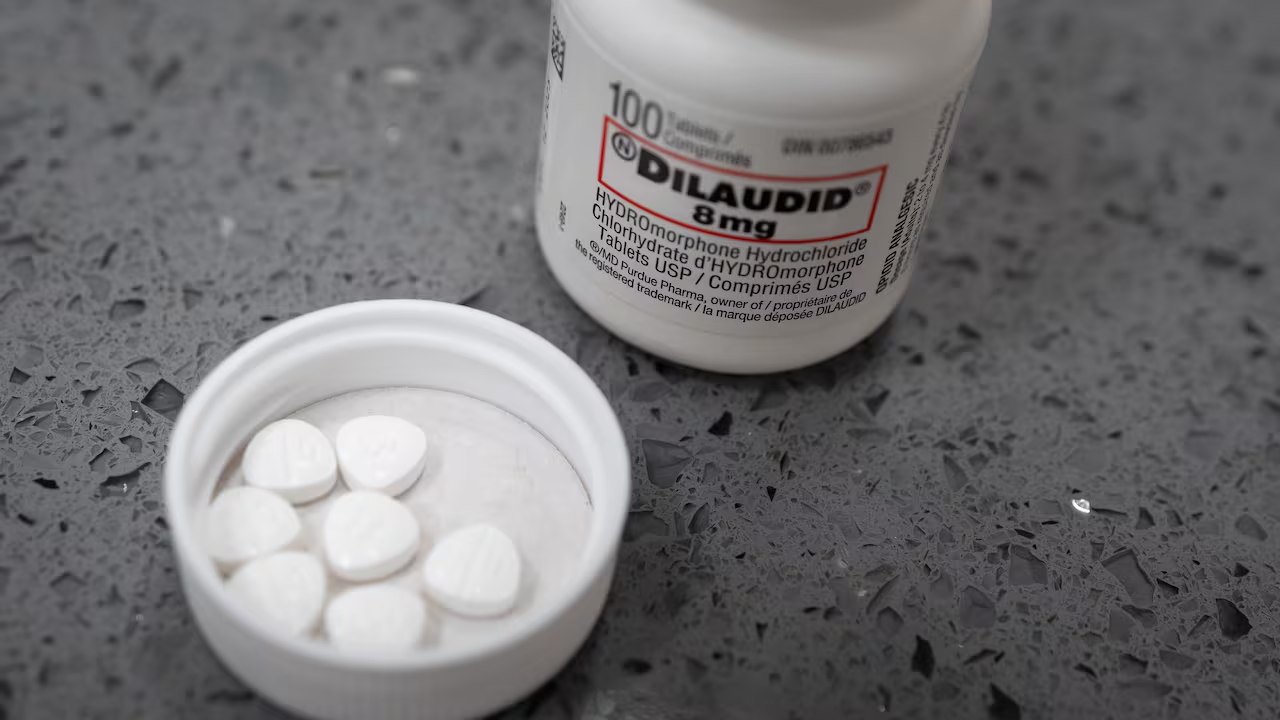
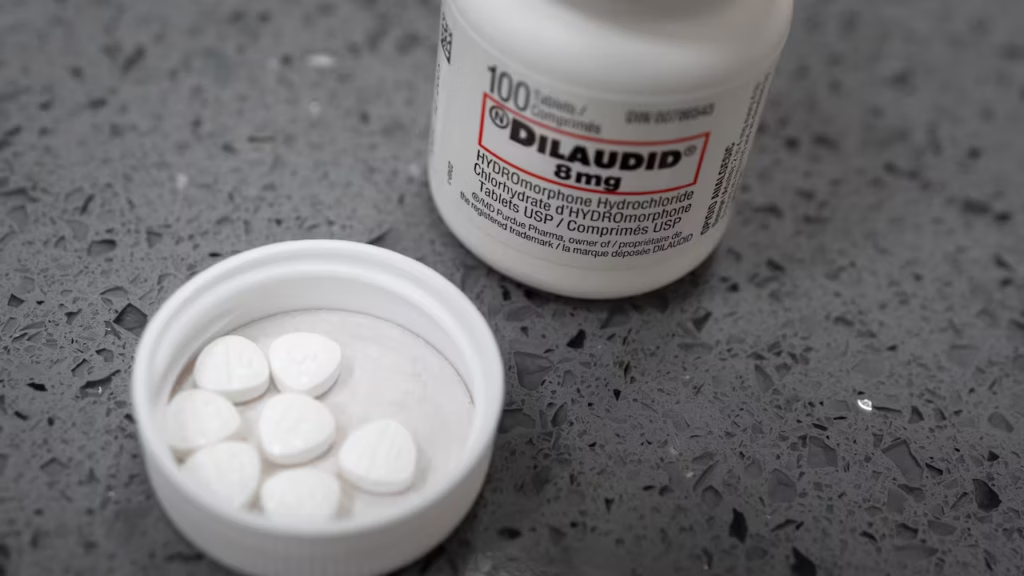
Hydromorphone belongs to the family of opioid pain relievers. In the United States, hydromorphone is a prescription medication that is prescribed in carefully controlled doses by healthcare professionals to help patients manage moderate to severe pain.
Because it is a powerful opioid, misusing it or changes in dosage or duration of use can increase the risk of overdose. Due to its fast-acting nature, overdose symptoms appear suddenly and worsen quickly if emergency medical support is not provided to the individual. Knowing the signs of an overdose and how to respond promptly can help prevent serious complications if addressed promptly.
Hydromorphone Overdose: How Much Can Be Unsafe
Hydromorphone can be unsafe even in small amounts if it is taken for longer than prescribed. Due to its habit-forming nature, this opioid medication can lead to physical dependence and tolerance. As tolerance develops, the individual takes higher doses of the medicine to achieve the same effect.
This increases the risk of an overdose and can be life-threatening if timely medical aid is not administered to the person. Therefore, when incorrectly used beyond the recommended usage instructions given by a healthcare professional, hydromorphone always carries a higher risk for overdose. According to the NIH research references, hydromorphone overdose leads to respiratory depression and potential toxicity.
What Happens During a Hydromorphone Overdose
Hydromorphone overdose occurs when too much of the substance enters the bloodstream all at once. Overdose risks are higher when the individual uses the substance either by snorting, smoking, or injecting.
During an overdose, hydromorphone suppresses the functions of the Central Nervous System; especially the parts of the brain that regulate breathing. As a result, the person experiences shallow breathing. Sometimes, dangerously slow breathing can be fatal unless treated immediately.
Due to slow breathing, oxygen supply to vital organs may be disrupted, and in severe cases, prolonged oxygen deprivation may cause brain damage. It is important to understand the warning signs of an overdose so that prompt medical attention can be sought and life-threatening conditions can be avoided.
What Are The Causes And Risk Factors For Overdose
Just like any other synthetic opioid, hydromorphone overdose takes place when the individual consumes the substance in higher doses, more frequently, or for longer periods than prescribed by their healthcare professional.
Some of the major causes are:
Regular misuse
The person may feel tempted to take higher doses because the body develops a tolerance for the substance. The same dose may not give them the desired effect. This increase in dose leads to overdose risks. Sometimes, the individual continues this medication to experience euphoric effects. Crushing or chewing the medication also increases the risk of overdose.
Low tolerance after time-off
Individuals who use this substance after a brief time off are always at risk for overdose. This is especially true for people who have undergone a medical detox. Returning to previous doses can overwhelm the body and increase the risk of overdose.
Relapse
Opioid withdrawal can be extremely uncomfortable and overwhelming, even for highly motivated individuals, which is why relapse is common. After a period of not using the drug, the body’s tolerance drops, so returning to even small doses can put intense strain on the system, slow breathing rapidly, and greatly increase the risk of a life-threatening overdose.
Mixing hydromorphone with other substances
Using hydromorphone in combination with other substances, including alcohol, can lead to overdose. Even small amounts of alcohol can be dangerous. Both substances depress the CNS functions and can lead to dangerously slow breathing and loss of responsiveness.
History of substance use and other mental health disorders
The presence of any other pre-existing mental health condition or addiction increases the risk of overdose. Individuals living with such conditions may misuse opioid medications either accidentally or intentionally due to impaired judgment, especially in times of stress or emotional overwhelm.
Underlying health issues
If an individual has liver problems, kidney disease, or any respiratory illness, then the chances of overdose increase. These factors affect how the body metabolizes the substance. When the substance is not processed and eliminated from the body, it leads to drug buildup. In such situations, even regular doses can cause an overdose.
Signs of Hydromorphone Overdose
Being a powerful opioid, the signs of hydromorphone overdose include limited breathing, tiny pupils, and unresponsiveness. These are classic signs of opioid toxicity in the body. Some of the warning signs of overdose are as follows:
- Bluish lips
- Weakness in muscles
- The body feels cold when touched
- Weak or irregular pulse
- Lethargy
- Pinpoint pupils
- Loss of consciousness
- Seizures
The signs of hydromorphone overdose may vary from person to person. An individual who has no prior experience with opioids can experience an overdose with small amounts of the medicine. Overdose risks remain high with hydromorphone because of its habit-forming nature. When taken in higher doses or for a longer duration, this opioid medicine causes a significant health threat.
Overdose Statistics
Overdose involving prescription opioids is common in the United States. There is limited data on hydromorphone-alone overdoses. However, according to CDC reports, prescription opioids account for approximately 105,000 drug overdose deaths in 2023, and around 79,000 of these involved any opioid.
Hydromorphone Overdose Treatment
Hydromorphone overdose is a medical emergency and with timely medical support, lives can be saved. Recognizing the early warning signs of an overdose is equally significant. The first thing to do is call 911 without delay. Early responders may give naloxone, as this medicine is an opioid antagonist that can quickly reverse the life-threatening condition of hydromorphone overdose.
The individual should be monitored and kept responsive if possible, and should be placed on their side to prevent choking. At the emergency room, the person is given oxygen therapy and airway support to revive their breathing difficulties. They are constantly monitored for vital parameters until their condition stabilizes and improves.
Healthcare professionals also recommend an ongoing addiction treatment with MAT (medication-assisted treatment) and therapy so that future overdoses can be prevented and long-term recovery can be achieved.
Overdose Prevention
The most effective approach to prevent hydromorphone overdose is medical supervision and adherence to prescribed guidelines. Patients should be educated about the likely dangers of having this medication beyond the recommended prescription dose.
Individuals using this opioid medication for pain relief should stay informed of the following:
- Even if pain flares, it is not recommended to increase the dose without medical supervision
- Avoid using hydromorphone in combination with other drugs or alcohol
- Maintain regular communication with healthcare professionals and report anything that might indicate an overdose
Conclusion
Hydromorphone overdose can be treated effectively when warning signs are recognized early and immediate medical support is sought without delay. Prompt treatment can save lives by reducing life-threatening consequences. Long-term damage to patients can be prevented with awareness and timely support.





 FindTreatment.gov